
Today: Closed
Blog / Conway Kia Service

5 Signs Your Kia Could Use a New Car Air Filter

Profile view of a light blue 2023 Kia Soul parked on a curb. | Kia dealer in Conway, AR.

Your car engine air filter plays an important role in your engine's overall performance and efficiency. Filters keep dirt and particles away from the engine, so if your car is not responsive, or you're paying more at the pump, your air filter could be one of the causes. Check out these signs that you may need to replace your car air filter at your Kia dealer.

Sluggish Engine

A sluggish engine can be a real pain, especially when you're trying to get somewhere in a hurry. If your engine is sluggish or having trouble accelerating, the first thing you should check is the air filter. If it's dirty, it can restrict airflow to the engine and cause it to run less efficiently.  

The air filter helps block debris from entering a car's engine. A dirty or damaged filter will require the engine to work harder, reducing efficiency and causing sluggishness and declining fuel economy. In addition, a clogged filter can cause an engine to overheat, increasing the risk of significant damage.

Trouble Starting Your Car

If you have trouble starting your car, it may be due to a problem with the air filter. Since the air filter is responsible for providing clean air to the engine, it can cause the engine to misfire or run rough if it is dirty or clogged.

If you suspect that your air filter may be the problem, you can perform a visual check on it yourself. A new air filter is usually white or off-white, but if your filter is discolored, torn, or you see dirt on it, it's time to bring your car in for a replacement.

Your Gas Mileage Has Decreased

If your gas mileage has decreased, this is also a sign of a potential air filter problem. Dirty air filters dramatically reduce fuel efficiency, causing the engine to work harder and use more gas. So if you're paying more at the pump, you may want to check out the condition of your filters.

You Smell Gas When You Start the Car

Unburned fuel is often to blame for gas smells, and one of the best ways to fix this is to replace your engine air filter. If you smell gas, especially when you start the car, it's best to bring your vehicle to the service department.

The filter, once replaced, will improve efficiency and save money on gas. If it turns out your problem is not the filter, we'll diagnose the issue and help you get your vehicle back on track.

You're Not Sure When Your Filter Was Last Replaced

If it's been a while since you've had an oil change and other car maintenance, you're likely due to replace your air filter. Usually, manufacturers recommend replacing an air filter every 15,000-30,000 miles. Check your manual for your specific vehicle or stop in the service department, and we'd be happy to check your service record.

Replacing your car engine air filter is a low-cost way to ensure your car stays in tip-top shape and runs efficiently. Visit Crain Kia of Conway, and we'll be happy to inspect your vehicle. We'll let you know if there is a problem and get you back on the road as soon as possible.

Image via Kia.
Posted in:

Related Posts

Kia Parts at Crain Kia of Conway

Genuine Kia Parts at Crain Kia of Conway: Quality, Fit & Performance Guaranteed

At Crain Kia of Conway, we know that your Kia is not just a car; it is an investment. That’s why we are committed to providing our customers with great service and high-quality genuine Kia parts. We think that using genuine Kia parts is important for keeping your car running well, being reliable, and holding its value. This way, you will enjoy a better driving experience for many miles ahead. The Importance of Choosing Genuine Kia Parts When it comes to your Kia, always choose genuine Kia parts. These parts are the same high-quality items used to make your vehicle. They meet Kia's standards for performance and durability. Aftermarket parts may look good, but they can lack in quality, fit, and how long they last. By choosing genuine Kia parts, you are picking original equipment manufacturer (OEM) parts. OEM parts are made with care and tested thoroughly. This ensures they work well, keep you safe, and fit your Kia model properly. They are made with top-notch materials and go through strict quality checks. This means you get a great fit and can trust that they will work well. Ensuring Compatibility and Performance Using OEM Kia parts ensures they work well with your vehicle's complex systems. Each part is made to fit and connect with other parts, providing the best functionality and performance. This exact fit helps keep the driving experience of your Kia as it should be, supporting its handling, efficiency, and overall performance. Exploring the Range of Genuine Kia Parts Available at Crain Kia of Conway At Crain Kia of Conway, we have a great selection of genuine Kia parts just for you. If you need items for maintenance, upgrades for performance, or parts to improve the inside and outside of your vehicle, we can help. Our wide range includes things like engine parts, brakes, filters, fluids, and electrical items. We also have many genuine Kia accessories. These accessories help you make your Kia look and feel like your own. You can create a car that shows off your personal style and meets your needs. Upgrading Your Ride with Genuine Kia Accessories Genuine Kia accessories can really improve the style, usefulness, and comfort of your car. If you want to add something special, make it more practical, or enhance its performance, we have great accessories for your Kia. You can choose from many options to customize your Kia according to your lifestyle and likes. Some popular Kia accessories are: Spoilers and body kits to give a sporty look Roof racks and cargo carriers to add more storage space Floor mats and seat covers to keep the interior safe Electronic upgrades like navigation and entertainment systems These accessories fit your Kia perfectly. They are made with the same high-quality materials as your car, so they will last long and work well. Why Crain Kia of Conway is Your Go-To for Parts At Crain Kia of Conway, great customer service is very important to us. Our friendly parts experts are here to help you. They provide useful advice and assist you in finding the exact part you want. We are proud to offer superb prices on all our genuine Kia parts. This ensures that our customers get great value. We also have easy shipping options that let you receive the parts you need right when you need them. If you are in the Central Arkansas area and need parts or accessories, please visit our website or contact our parts department. We also offer financing options for our parts and services!

Tires in Conway, AR

Get Your Tires Road Ready!

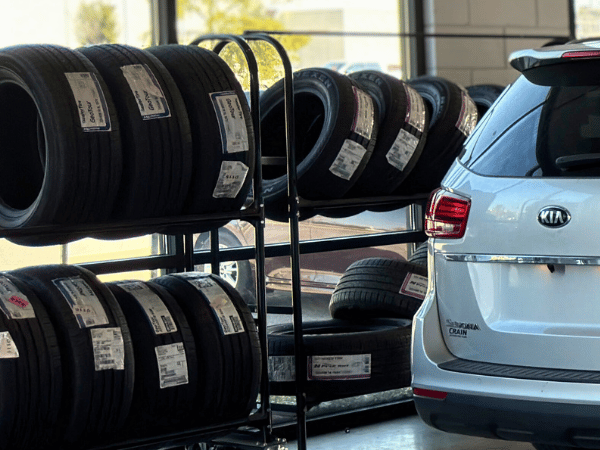
Looking after your car's tires might not seem like the most thrilling task, but it's essential for your vehicle's performance. Keep in mind that your tires are what connect your car to the road. Ensuring they're in top condition helps your vehicle run smoother, save on gas, and improve its handling. Need help with inspecting your tires? No worries! We at Crain Kia of Conway are here to guide you through the necessary steps. Are you shopping for new tires near Conway, AR? Click here to order yours at Crain Kia of Conway. Checking Tire Pressure To make sure your car operates smoothly and safely, it's crucial to keep your tires inflated correctly. Doing so not only improves handling and braking but also increases your fuel efficiency. The American Automobile Association (AAA) suggests a monthly tire pressure check. You can easily accomplish this with either a digital or a simple tire gauge. Below is a straightforward guide to checking your tire pressure. Reading Your Vehicle's Tire Pressure Twist off the cap on the tire's valve stem. Position the gauge reader at the end of the stem. Apply pressure for a tight seal for a precise reading. Add or release air as needed. Use a compressor to refill air. Stop by a gas station if you do not own one. Are your tires overinflated? Place the non-rounded end of your gauge on the valve stem to release pressure. We can inspect your tires during your oil change. Learn more about oil changes at Crain Kia of Conway by clicking here. Tire Tread It's important to check your tire tread often to ensure a smooth ride. A quick and easy way to see if they need replacing is by doing the "penny test." Basically, most new car tires have tread depths of around 10/32-inch to 11/32-inch. When they get worn down to 2/32-inch, it’s probably time for new ones. The "penny test" is a simple way to find out if you're at that point. The Penny Test Place a penny between the raises on the tire's tread, or "rib." When setting the penny, make sure Lincoln's head is pointing down. Inspect to see if Lincoln's head is visible. If Lincoln's head is hidden behind the tread, your tires are above the 2/32 threshold. If you can see Lincoln's whole head, it's likely time to get new tires. Taking care of your car's tires might seem like a hassle, but it's crucial for a comfortable drive. It helps your car brake and steer as it should. An easy method to inspect them is by using a penny to check their inflation. If you're not sure whether it's time for new tires, consider making an appointment at Crain Kia of Conway, located in Conway, Arkansas! Click here to schedule your next service appointment.

Car Brakes in Conway, AR

When to Get New Brakes

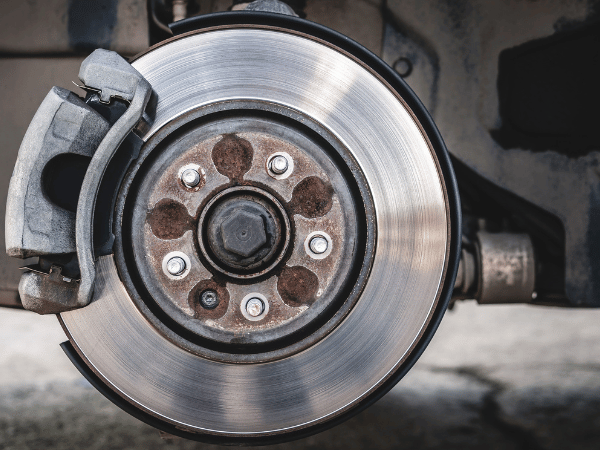
It's important to regularly check your brakes to make sure you're safe on the road. Your car's brakes have different parts, like brake pads and rotors. If your brakes are worn out or not working properly, there are signs you can look out for. At Crain Kia of Conway in Conway, Arkansas, we can help you recognize these signs so you can take the necessary steps to stay safe while driving. Keep reading to learn the signs of brake repair! Does your car need brake repair? Click here to schedule an appointment! Brake Rotors If you feel your brake pedal vibrating or pulsating while driving, it could mean your rotor is damaged. Grinding sounds and inconsistent braking distances are also signs of rotor damage. If you mainly travel on the interstate, your rotor can last up to 60,000 miles. However, if you drive in a city with stop-and-go traffic, your rotors' lifespan could be as short as 20,000 miles. If you need to replace your car's rotor, schedule an appointment with the professional service team at Crain Kia of Conway. Brake Pads If you happen to hear a screeching noise when you apply the brake pedal, it's a sign that you should bring your car in for a check-up. This sound may indicate that your brake pads are worn out and need replacing. The brake pad's wear indicator produces this sound to let you know that it's time for a replacement. As the pad wears down, the wear indicator contacts the disk, making a high-pitched screeching noise. Click here to learn about the Kia Warranty! Brake Pedal It's important to keep your brakes in good condition for your safety. When you push the brake pedal, your car should stop quickly. If the pedal feels soft, spongy, or mushy, it means something is wrong. This could be due to low brake fluid, air in the brake line, or a leaky brake line. To avoid any problems and make sure your brakes work well, book an appointment with our certified service team. ABS Light When you see the ABS light on your car's dashboard turn on, it means it's time to take your vehicle to a technician to check your brakes. According to Dustin Hawley's article on J.D. Power's blog, the ABS system ensures that all the wheels of your car rotate at the same speed. If something goes wrong, the dashboard light will notify you. There are several reasons why the light might turn on, but the most common causes are a faulty ABS module, low brake fluid levels, damaged wheel speed sensors, or the ABS being turned off. Remember, proper brake function is essential for your safety and the safety of others on the road. Therefore, watching for any issues or abnormalities with your car's braking system is essential. If you suspect any problems, we recommend scheduling a brake check-up appointment with Crain Kia of Conway. Does your car need an oil change? Click here to learn about the different oil types!